Hagar Shipley Helps Me See
Joy and Matthew Steem
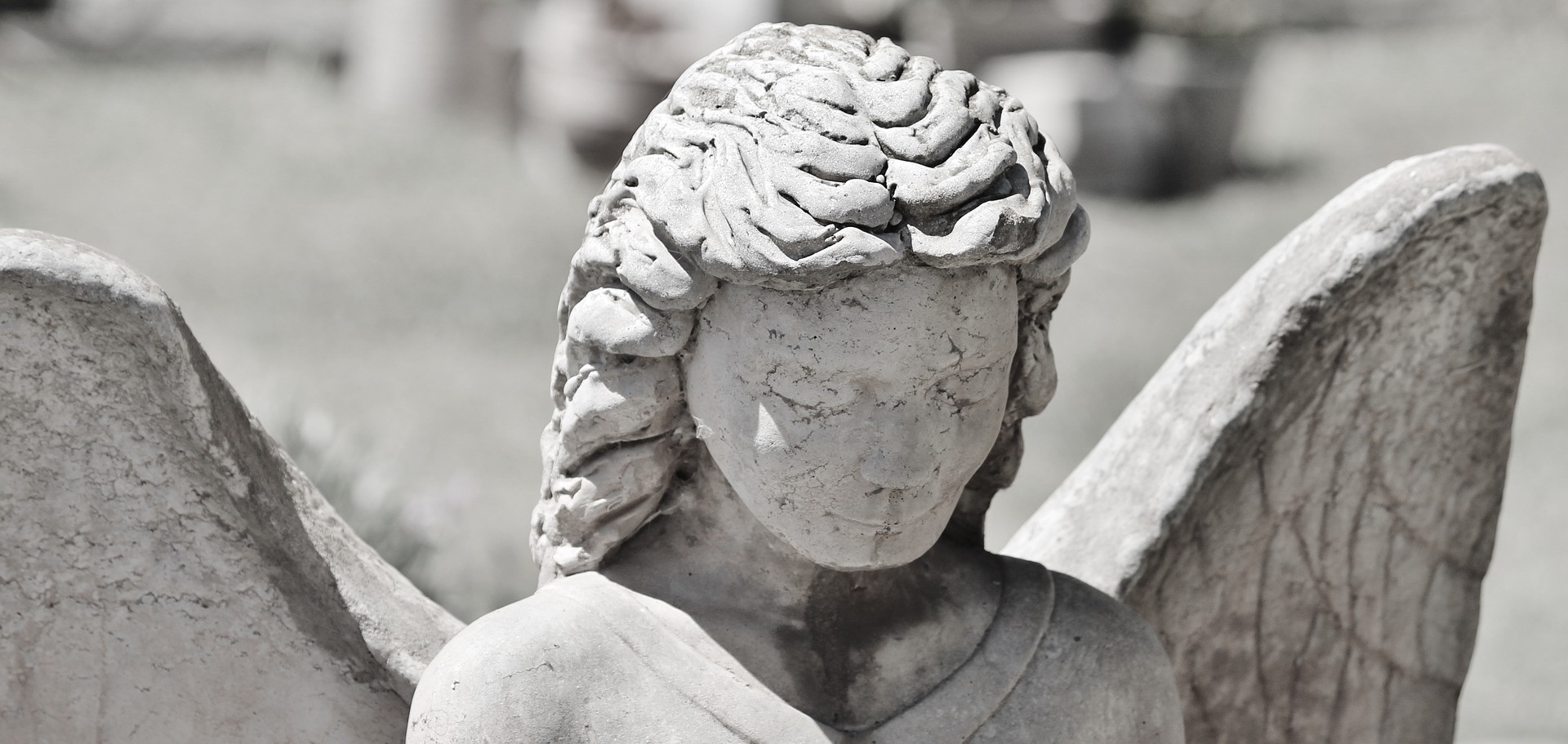 “Do you ever get used to such a place?’
She laughs then, a short bitter laugh I recognize and comprehend at once.
"Do you get used to life?" she says.
—Margaret Laurence, The Stone Angel
“Do you ever get used to such a place?’
She laughs then, a short bitter laugh I recognize and comprehend at once.
"Do you get used to life?" she says.
—Margaret Laurence, The Stone Angel
Last summer a friend and I pooled together some resources to cross half an ocean and take an elderly friend of the family on a day long excursion to a tourist attraction (we did other stuff when we were there too, so don’t esteem my altruism too highly). Not adept at planning, we took great care in organizing transportation, meals, operation hours, admission costs/requirements, mobility aids etc. On the way home from our pleasant outing, my friend asked the dozing but cognitively sharp octogenarian what was one of the most important things to living a worthwhile life.
The response? “Don’t ever go into debt. Save all your money.”
That’s it.
That was her advice.
In the months that have ensued I have been thinking a lot about the expectations we place on others, particularly the elderly. When I find myself frustrated with the ones in front of me, I often reach for the ones from literature for guidance. For me, one of these fictive individuals is Hagar Shipley from Margaret Laurence’s The Stone Angel.
Canadian author and literary critic George Woodcock recounts that the staying power of great literature in general, and Margaret Laurence’s The Stone Angel in particular, is related to its ability to depict universality as well as uniqueness. In Hagar Shipley, the increasingly dependent 90 year old protagonist, he says, we recognize enough aspects of our own grandmother that we have a certain sense of familiarity. Too much familiarity though, he warns, is tedious so all good authors also establish a degree of uniqueness which draws us in.
I’m not sure I see either of my grandmothers in Hagar, nor would I particularly want to. She treats others with harsh judgement, spite, resentment and a startling lack of insight. She assumes the worst intentions and is not easily entreatable. She is in fact, as her son refers to her, “a holy terror.”
So just what is it about Hagar that I find myself being drawn to again and again? What is in the recollection of this terrifying woman that revitalizes my patience and maybe even kindness when I find myself in the extended company of the aged? Perhaps it is my sympathy to Hagar’s dogged determination to the North American ideal of freedom (which, according to Margaret Atwood and others, defines her struggle). Or maybe, as Woodcock suggests, it is the loud grumblings and rumblings humanity makes along the path of mere survival. How can this story's startling reminder of mortality, human frailty, and tendency to egoism possibly encourage gentleness?
I think, for me, it is this: Laurence has entrusted something to the embittered and feisty Hagar that I sometimes forget to concede to people labeled “other”: humanity. Laurence has created a character with foibles and flaws and a striking sense of individuality. Hagar Shipley busts through the stereotypes we often place on the elderly: she is neither sweet nor kind nor senile nor particularly sagacious in a way we recognize.
And she, just as we, when asked “does one get used to life?” must shrug. She has not gotten used to life. Life, after all, is not a pizza or a bedspread. Life is not conquerable; it is not predictable; it is usually not even understandable. It just is.
Hagar’s tale is not necessarily a cautionary one, though she does eventually recognize that she has carried the backbreaking chains of pride throughout her life which has tragically “shackled all she touched.” I’m not sure Laurence means for me to pity Hagar, just as she does not entice me to emulate her. What Laurence does do is help me see: help me see the humanity in others and the humanity in me. And, while I am looking through that view, my capacity for compassion is enlarged.
 Read Part I

 Naomi Shihab Nye describes poetry as “a conversation with the world, a conversation with those words on the page allowing them to speak back to you—a conversation with yourself.”
 "Knowing is the responsible human struggle to rely on clues to focus on a coherent pattern and submit to its reality."
  It’s hard writing about the salty Gulf Coast without the taste of fried biscuits in Mendenhall, Mississippi, or the hypnotic curves of rice paddies in southeast Arkansas, the lonely cotton gins and weathered Baptist churches that survive calamitous storms year after year. Before we can throw our bodies into the roiling sea, there’s a rite of passage we must traverse. It takes nine-and-a-half hours to drive from Little Rock to Orange Beach. Nine-and-a-half hours of poverty and the whims of commodity crop economics. It used to be cotton and rice. Now it’s GMO corn and soy. “You can’t even eat that corn,” my mom would say. A black cloud of starlings shoots past us. “I know, it all goes to the cows outside Denver,” I would reply. Dollar General replaced the mom-and-pop small town shops, and now even those soul-starved places are empty, only to be filled by storefront churches promising salvation by the highway. One sign reads Just Church. Fast food wrappers skitter along asphalt and half-smashed snakes. Upturned armadillos try to hold up the sky with their stubby legs. Meanwhile, kudzu swallows up longleaf pines and the lives that depend on them, and the forest turns into a tomb, encased by this foreign, medicinal vine only Agent Orange could knock out. The roadside greenbelt looks more like a freak show displaying storybook monsters frozen in time – their movements, their joys, their battles all swallowed up by this relentless vine. I don’t care how medicinal it is and what the rumors are for curing cancer. That vine is killing the forests.
 Read
Read  Last night I dreamt that I got lost again. It’s a frequent dream for me: I can’t find my car or my way home. While that type of dream may have metaphorical meaning for some people, I think it is most likely pretty literal for me. When I was a kid, sometimes I had to ask my friends at sleepovers to remind me where their bathroom was because I couldn’t quite remember their house layout and I was scared of opening the wrong door. Before smart phones and GPSs, using public transit was a complete nightmare. In addition to having the tendency of getting lost, I am also pretty good at remaining unseen. It was not that uncommon for me to be the last one sitting on the bus patiently awaiting my destination when the driver would turn around, and, with a start say, “I had no idea there was still a passenger on here!” Sometimes, I had gotten on the right bus, but on the wrong side of the street and so ended up at the other side of the city.
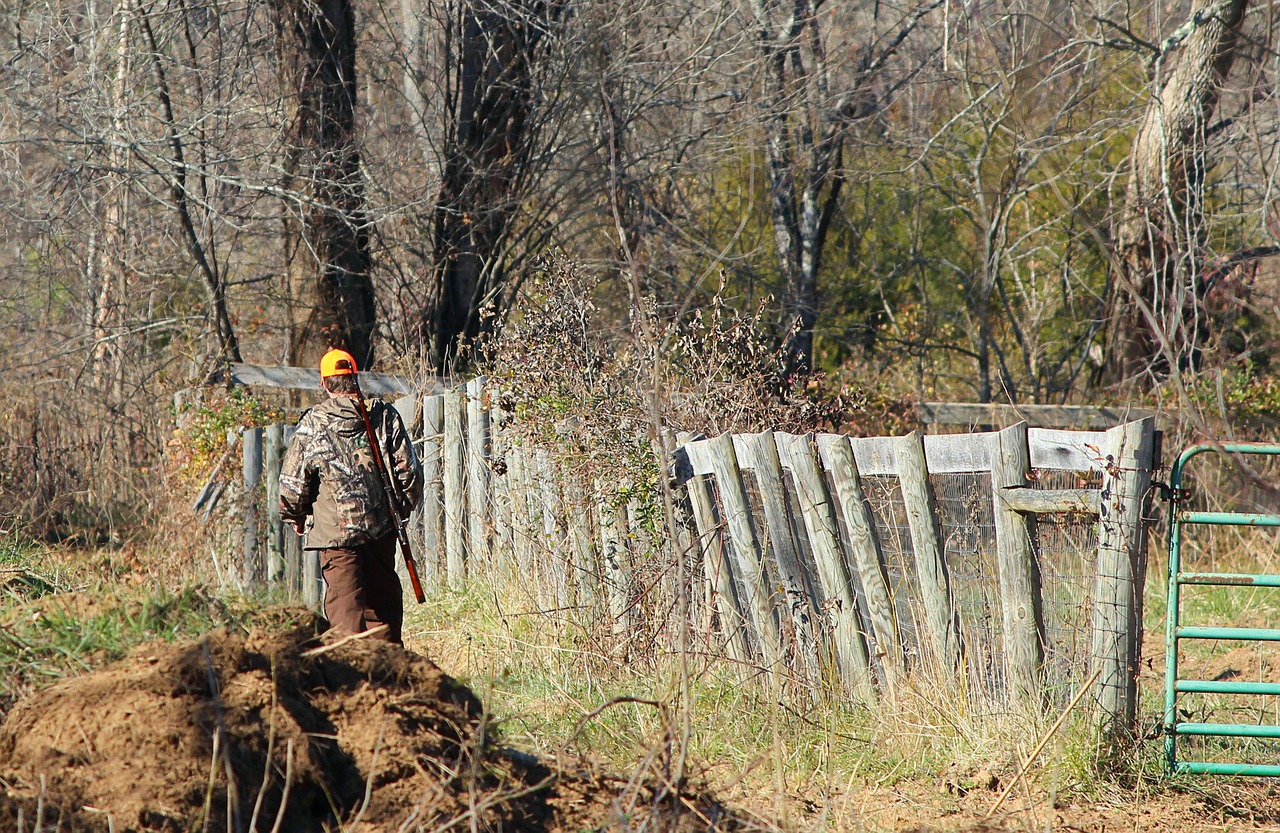 This fall, I plan to take my twelve-year old pheasant hunting for the first time, as my father took me. Last fall, when he was eleven, I took Micah out to shoot in a gravel pit outside of town, after which time I had one question:

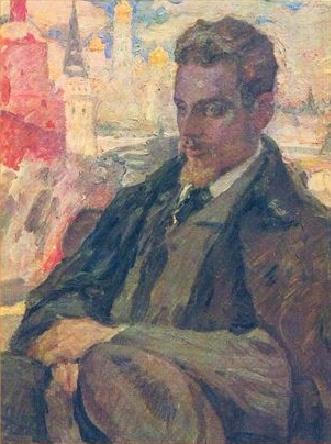 Sometimes, when I’m burnt out, I look to Rilke. Not his
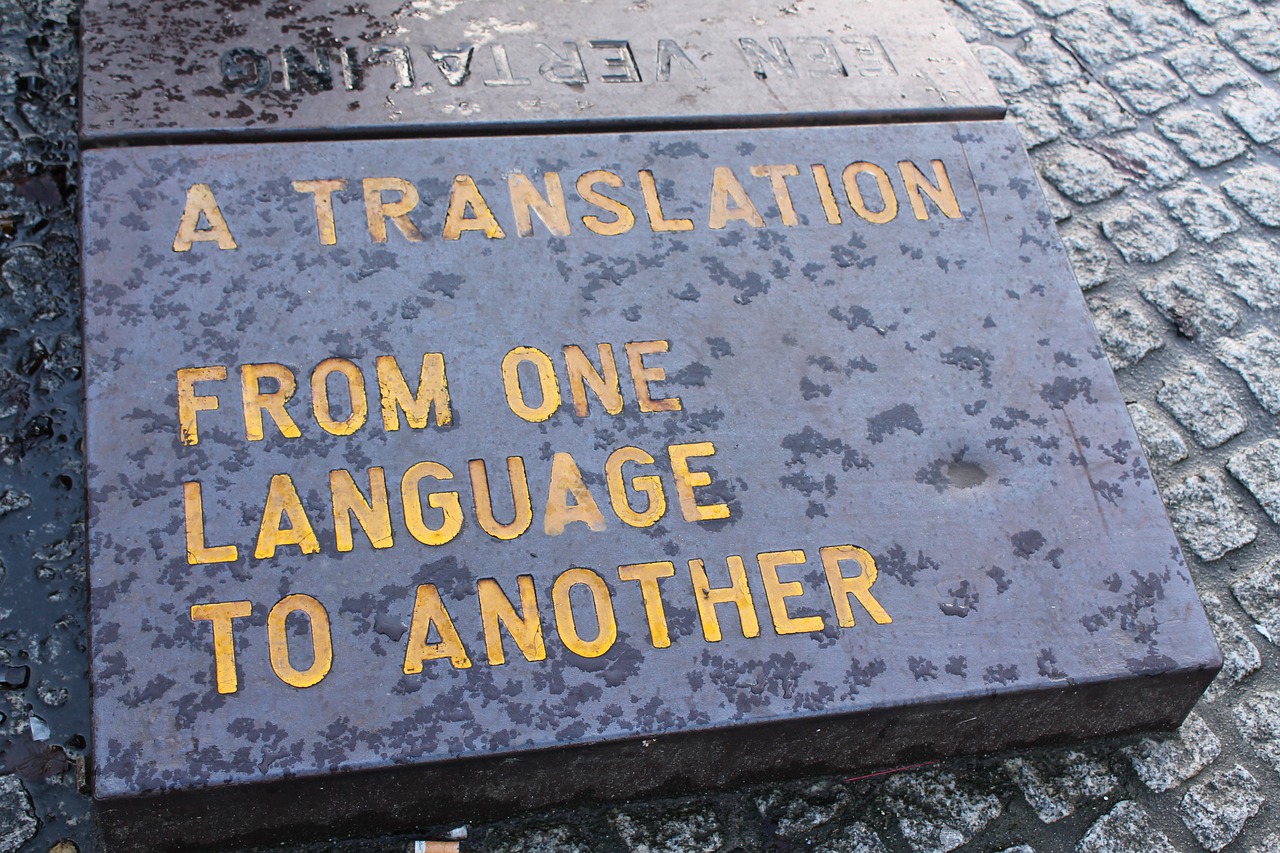 The documents are in folders, carefully taken out and laid upon my desk. Others have been folded and refolded; the creases have become a part of the paper. They are birth and marriage and death certificates, transcripts and diplomas. I scan the documents and send the file to one of my translators. After a few hours or days, the translated words in English are sent back. I look through, edit and check. The documents are filled with words like certify, signature, official, issued, expire; it’s pretty straightforward stuff.
 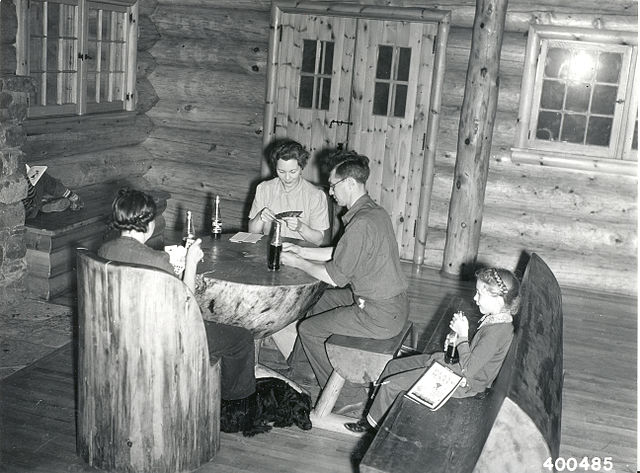 As holidays with my extended family arrive, so does the expectation of playing games. Whether in a pool, in the snow, in a gym, on the floor of a living room, or, especially, at the table. Ah! The evening table game. We’ve played everything from “Awkward Family Photos” to “Risk” to “Tenzi” to “Reverse Charades” to the incredible, mind-bending card game “Killer Bunnies”.
 The grammarian